Rejseråd Tanzania

Rejseråd Tanzania
Vi har næsten ti års erfaring med at skræddersy rejser til Tanzania – og deler gerne vores bedste rejseråd med dig. Her finder du svar på de mest almindelige spørgsmål, fra visa og vaccinationer til sikkerhed og sprog.
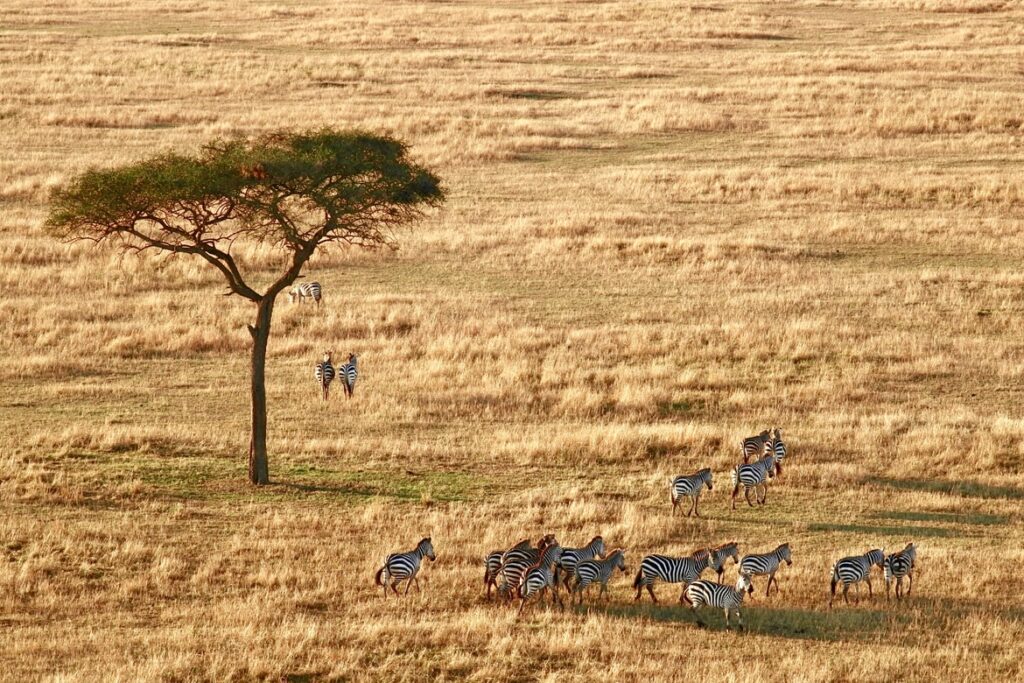
Er det sikkert at rejse til Tanzania?
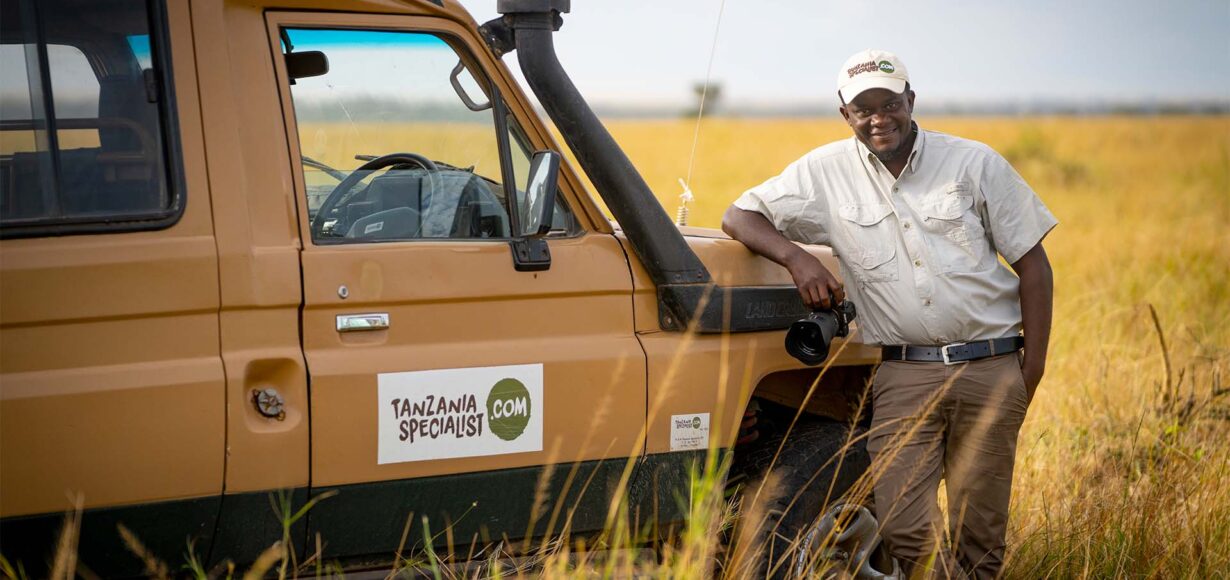
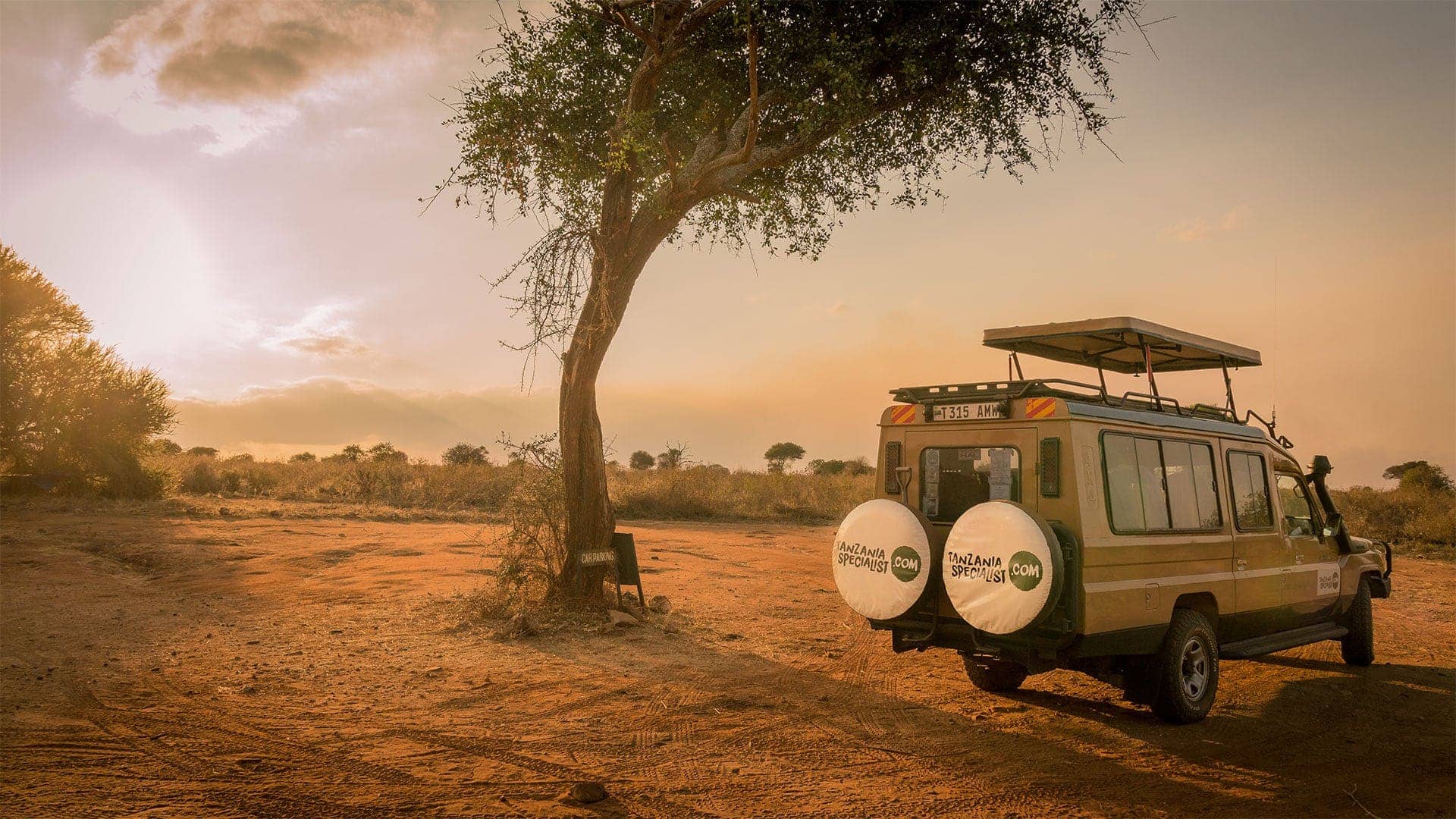
“Jeg vil gerne rejse til Tanzania, men er det sikkert?” Dette er et spørgsmål, vi ofte får fra vores rejsende, der søger råd om rejser til Tanzania. Det korte svar? Ja, det er det! Tanzania er et af de sikreste rejsemål i Afrika, og hvert år besøger over en million turister landet. Når du rejser med Tanzania Specialist, har vi altid stor fokus på din sikkerhed. Vores private safarioplevelser med erfarne, professionelle guider giver dig en sikker og uforglemmelig rejse.
Vil du vide mere? Så læs vores sikkerhedstips og få flere råd til en sikker rejse til Tanzania
Hvor mange indbyggere er der i Tanzania?
Tanzania har en befolkning på næsten 60 millioner og er et af Afrikas mest etnisk mangfoldige lande. Der findes omkring 125 forskellige etniske grupper, og der tales mere end 100 sprog.
Tanzanianere er kendt for deres gæstfrihed og byder ofte turister varmt velkomne til at opleve landets storslåede natur, dyreliv og kultur. At møde de lokale er en fantastisk måde at lære landet bedre at kende på, og anbefales varmt på din rejse.
Har jeg brug for visum til Tanzania?
De fleste internationale rejsende skal have visum for at rejse til Tanzania. Du kan ansøge online via den tanzanianske regerings officielle visumportal. Bemærk venligst, at dette er det eneste godkendte link til visumansøgninger.
Det er også muligt at få et turist- eller forretningsvisum ved ankomst til de vigtigste grænseovergange i Tanzania. Visummet gælder til én indrejse og er gyldigt i tre måneder. Det koster 50 USD pr. person (ca. 350 DKK). Du kan blive bedt om at fremvise dokumentation for din hjemrejse ved indrejse.
Når du planlægger din rejse med Tanzania Specialist, hjælper vi dig gennem alle trin i visum- og ansøgningsprocessen.
Paskrav
Dit pas skal være gyldigt i mindst seks måneder efter din sidste rejsedag i Tanzania, så vi anbefaler, at du tjekker pasets udløbsdato i god tid inden afrejse.
Sikkerhed først: Glem ikke din rejseforsikring
Når du rejser til Tanzania på din drømmerejse, er din sikkerhed vores højeste prioritet, og vi anbefaler derfor, at du tegner en omfattende rejseforsikring, inden du rejser.
Selvom Tanzania Specialist ikke er direkte udbyder af rejseforsikringer, samarbejder vi med Chapka Travel Insurance, som vi varmt kan anbefale som forsikringsudbyder til din rejse.
Hos Chapka kan du vælge den dækning, der passer bedst til dine behov – for eksempel ved sygdom, uforudsete hændelser eller aflysning – så du kan rejse trygt og uden bekymringer.
Før du pakker din taske og tager afsted til Tanzania, husk: Sikkerhed først – få styr på din rejseforsikring.
Hvilke vaccinationer anbefales til en rejse til Tanzania?
Et gult feber-vaccinationskort er kun nødvendigt for rejsende over 1 år, som kommer fra, eller har haft en mellemlanding på over 12 timer i, et land med risiko for gul feber.
WHO og CDC anbefaler desuden en række vaccinationer til Tanzania, afhængigt af dine rejseplaner og aktiviteter. Det kan for eksempel være vacciner mod hepatitis A, hepatitis B og tyfus. I nogle tilfælde kan rabies- og gul feber-vaccination også være relevant, selvom det ikke er et krav for at rejse ind i landet.
Som ved al international rejse er det en god idé at tale med din læge i god tid før afrejse for at få råd om, hvilke vaccinationer der passer bedst til dig.
Tidsforskellen fra Tanzania til andre større byer ser således ud:
Los Angeles: -10 timer
New York: -7 timer
London: -2 timer (vinter) / -3 timer (sommer)
Berlin: -1 time (sommer) / -2 timer (vinter)
Hongkong: +5 timer
Tokyo: +6 timer
Sydney: +8 timer
Auckland: +10 timer
Hvad er valutaen i Tanzania??
Den lokale valuta er den tanzanianske shilling, men amerikanske dollars og euro accepteres også de fleste steder i Tanzania.
Sprog i Tanzania
Der tales over 100 forskellige sprog i Tanzania. De officielle sprog er swahili og engelsk. Du kan forvente, at alle dine Tanzania Specialist-guider og værter taler flydende engelsk.
Størstedelen af befolkningen taler Swahili, mens engelsk især bruges i turistbranchen. Hvis du vil lære et par ord hjemmefra, kan du tjekke vores liste over de 25 mest nyttige ord på swahili.
At rejse i Tanzania er mere end bare en ferie – for mange er det et uforglemmeligt eventyr for livet. Kontakt os, hvis du ønsker personlig rejserådgivning eller hjælp til at planlægge din skræddersyede rejse til Tanzania.
Vi ser frem til at byde dig velkommen til Tanzania!
Lad os skabe din skræddersyede rejse
Få et gratis og uforpligtende tilbud
Din drømmerejse venter – start planlægningen nu